modern languages
click or tap the bottom right of film for sound.
Languages for all
At our school, we believe that language learning is for everyone. Every pupil, regardless of their starting point or prior experience, has the opportunity to develop the confidence, knowledge and skills to become a successful language learner. We are committed to creating an inclusive and supportive environment where all pupils are encouraged to communicate, take risks and celebrate their progress. Through high-quality teaching, carefully sequenced learning and appropriate support and challenge, every pupil can experience success while developing an appreciation of different languages, cultures and the wider world. Our ambition is for all pupils to recognise the value of languages as a lifelong skill that broadens horizons, enriches cultural understanding and opens doors to future education, employment and global opportunities.
Our curriculum aims
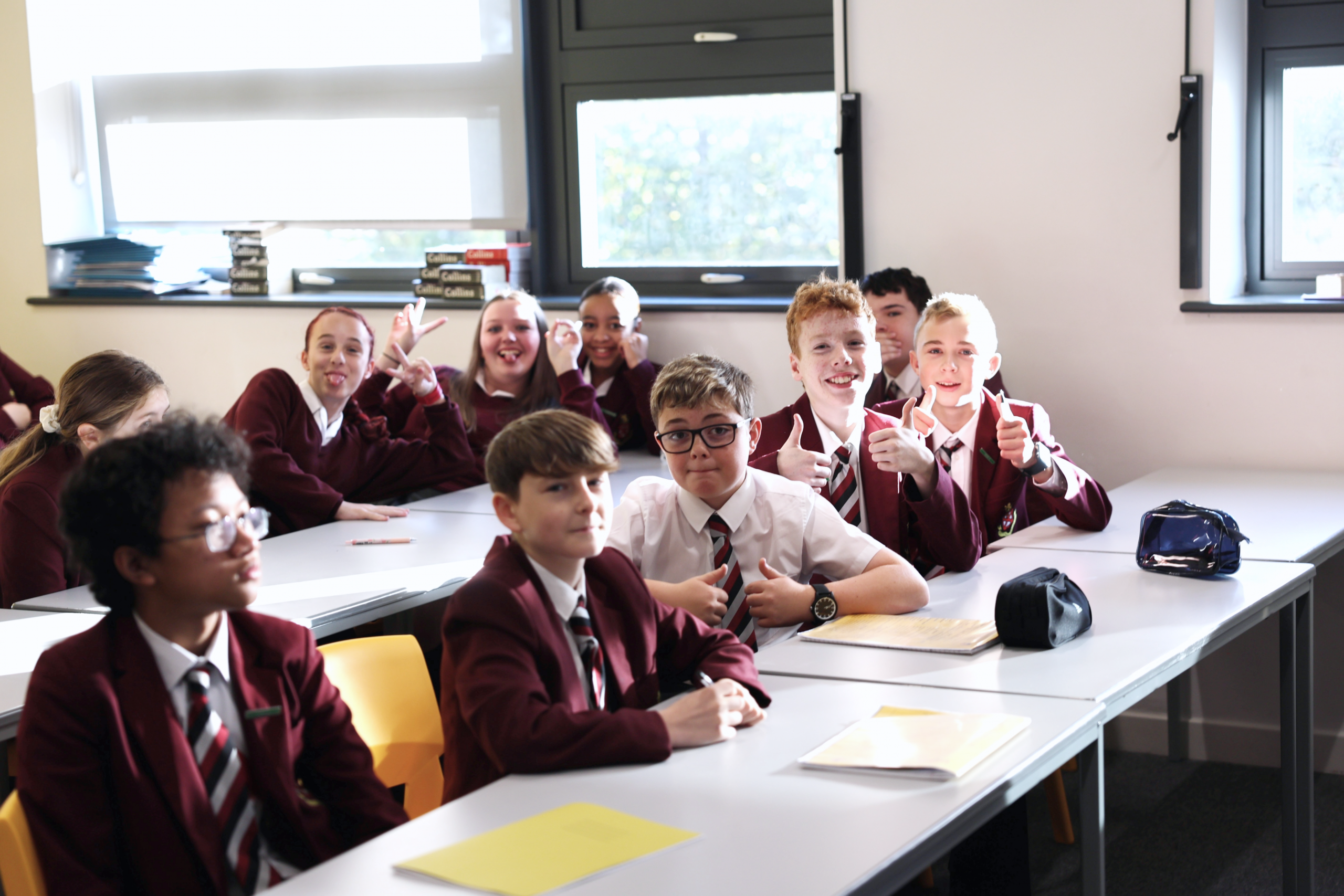
Learning a modern foreign language should be engaging, enjoyable and confidence-building. Our MFL curriculum is carefully designed to enable all pupils to become successful language learners, developing the knowledge and skills they need to communicate with increasing accuracy and independence.
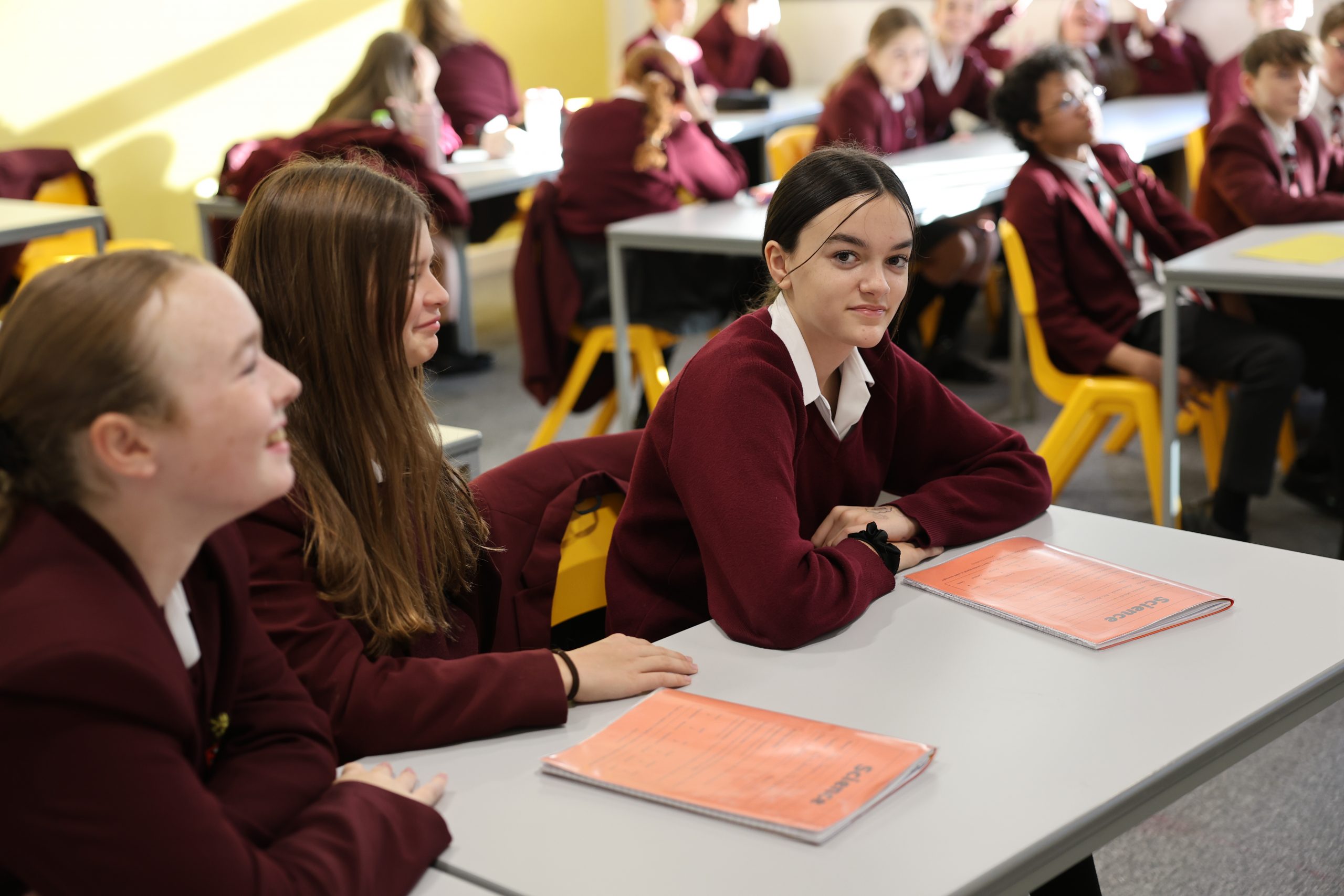
At Key Stage 3, pupils study three carefully planned topics each academic year, providing meaningful contexts in which to develop their language skills. A strong emphasis is placed on the use of knowledge organisers, which support pupils in mastering and retaining core phonics, vocabulary and grammar. These act as a central reference point for learning, retrieval practice and independent revision, enabling pupils to recall and apply key knowledge with increasing confidence.
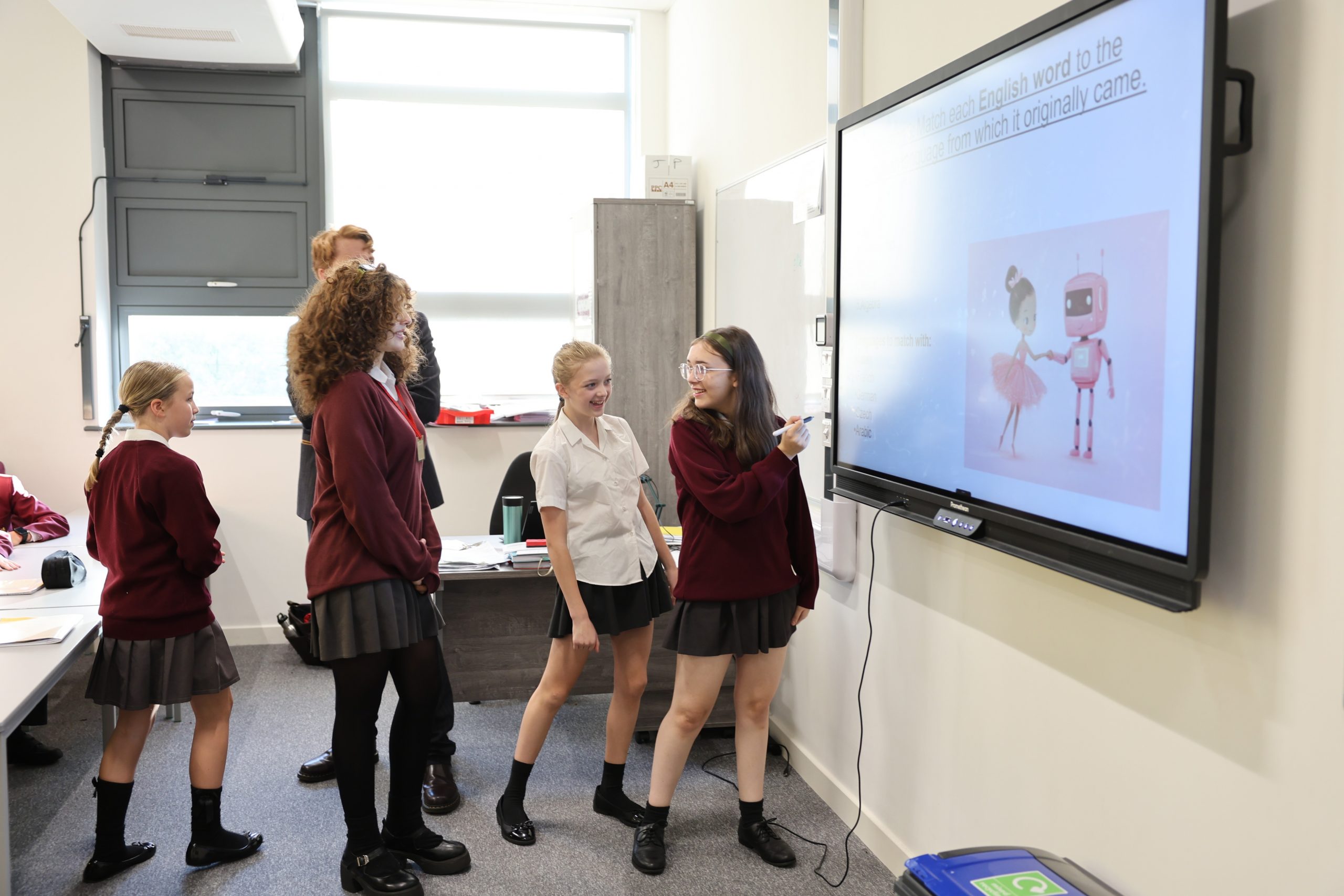
Our curriculum follows a spiral approach, where essential phonics, vocabulary and grammatical structures are regularly revisited, practised and extended. This ensures that new learning builds on prior knowledge, strengthens long-term memory and develops pupils’ confidence and fluency over time. Throughout each topic, pupils develop their listening, speaking, reading and writing skills through engaging and purposeful activities, enabling them to communicate with increasing independence and accuracy.
Alongside developing language skills, pupils gain a deeper understanding of the cultures, traditions and everyday lives of people in countries where the language is spoken. They are encouraged to appreciate similarities and differences between cultures, helping them to become respectful, curious and globally aware citizens.
We also aim to broaden pupils’ aspirations by highlighting the value of languages in the wider world. Through links to a range of careers, pupils learn how language skills can open doors to opportunities in fields such as travel and tourism, business, education, sport, healthcare, hospitality, diplomacy and international relations. They begin to understand that multilingualism is a valuable life skill that can enhance future education, employment and personal experiences.
At Key Stage 4, pupils follow the Pearson Edexcel GCSE Modern Foreign Languages specification, building on the strong foundations established at Key Stage 3. Pupils continue to develop their phonics, vocabulary and grammatical knowledge while refining their listening, speaking, reading and writing skills across a range of authentic contexts. The curriculum prepares pupils for success in their GCSE examinations and equips them with the confidence, resilience and linguistic skills needed for further study and future careers.
Our ambition is for every pupil to leave school as a confident and successful language learner with an appreciation of different cultures, an understanding of the value of languages in an interconnected world, and a secure foundation for further study, employment and lifelong learning.








Enrichment
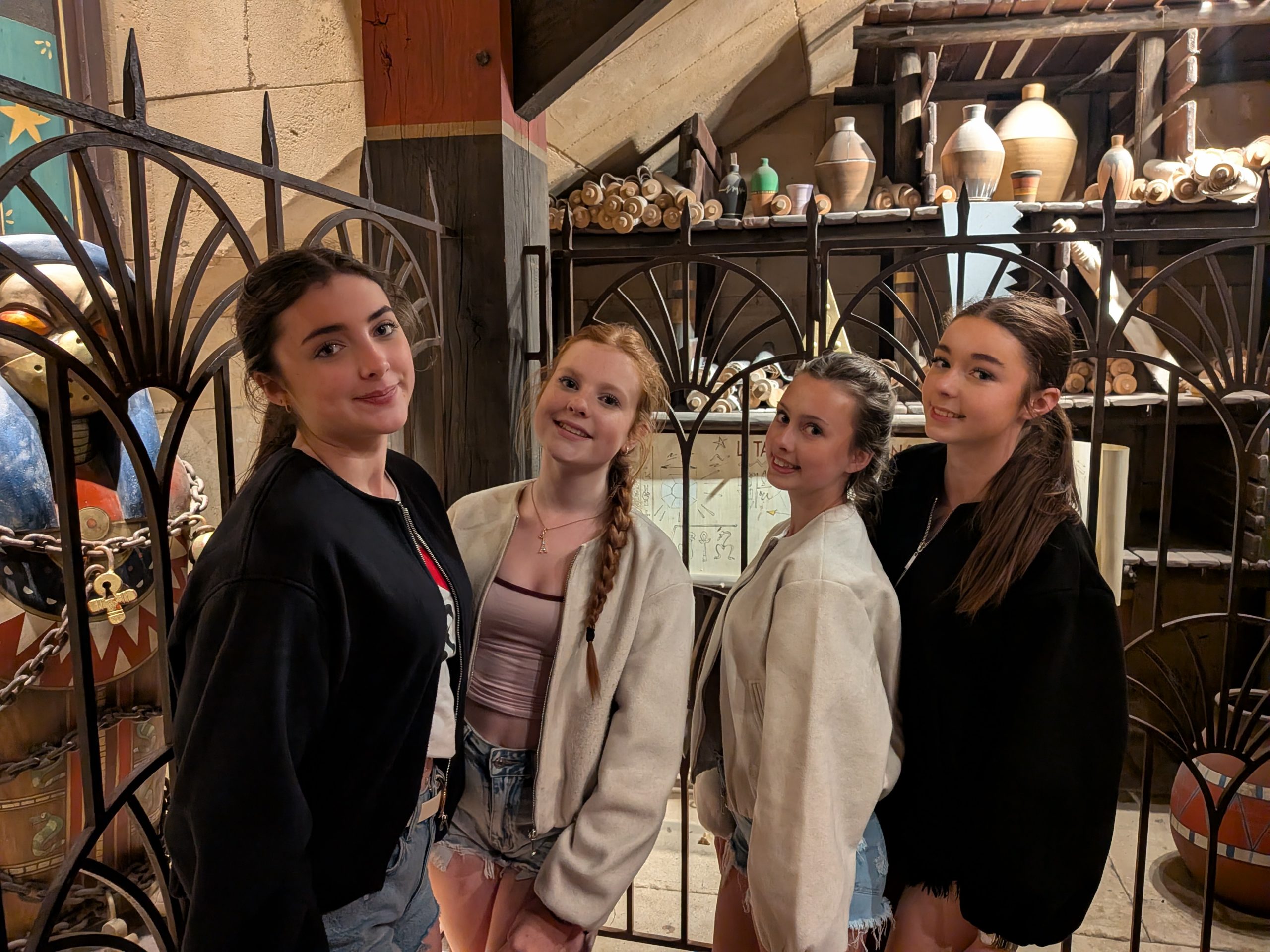
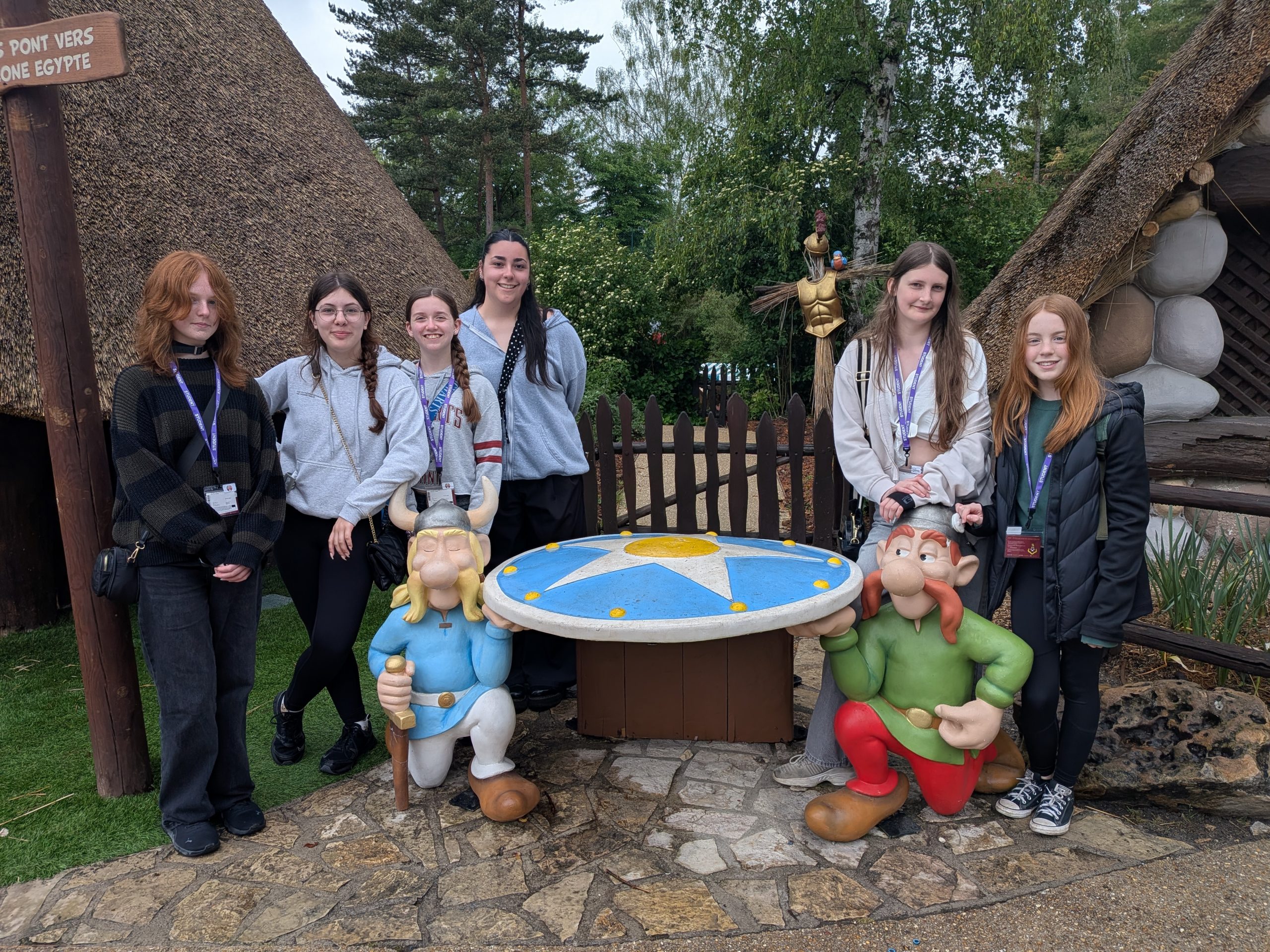
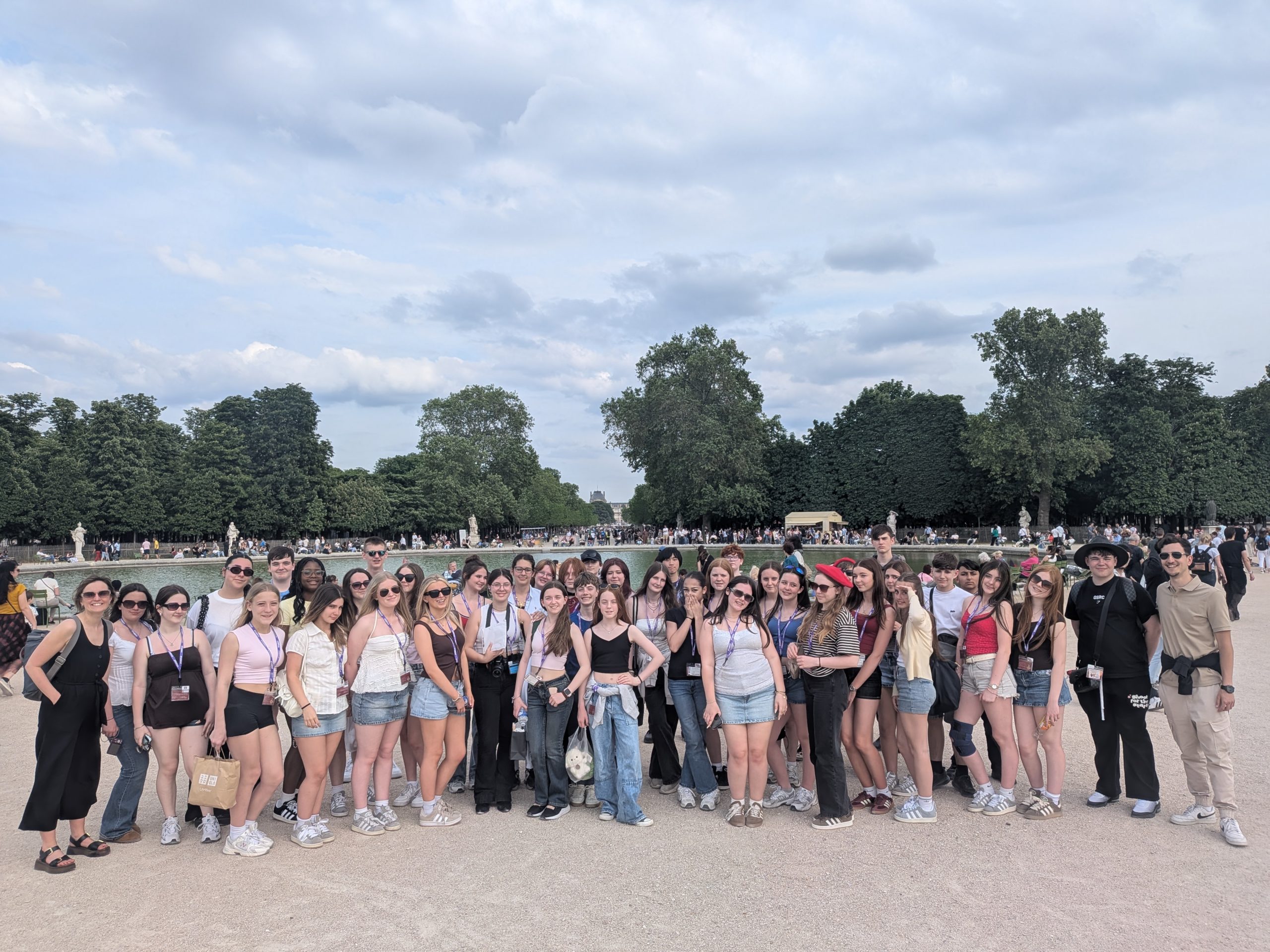
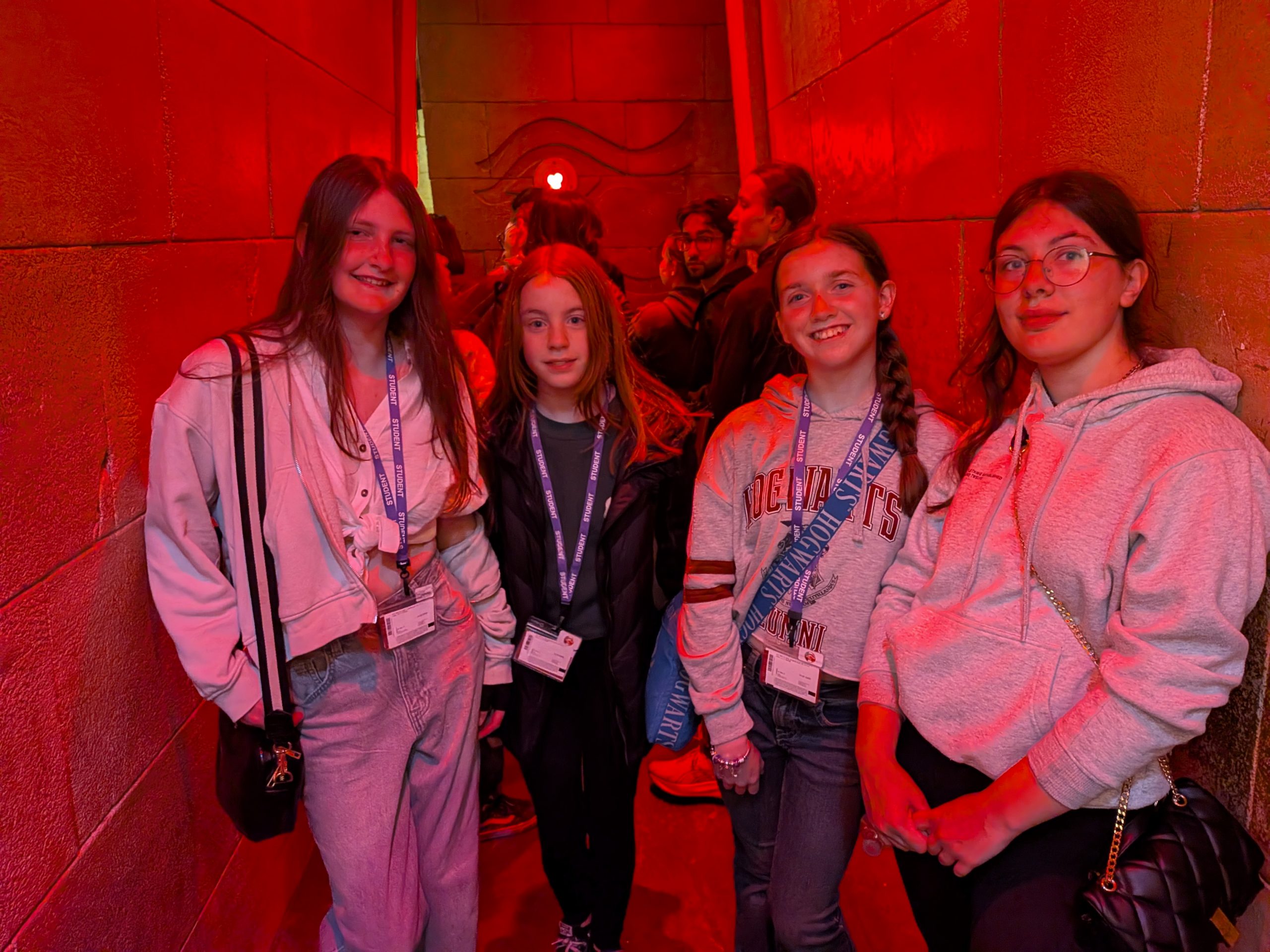
We believe that language learning extends far beyond the classroom. Our enrichment programme provides pupils with authentic experiences that bring languages to life, deepen cultural understanding and inspire a lifelong interest in learning languages.
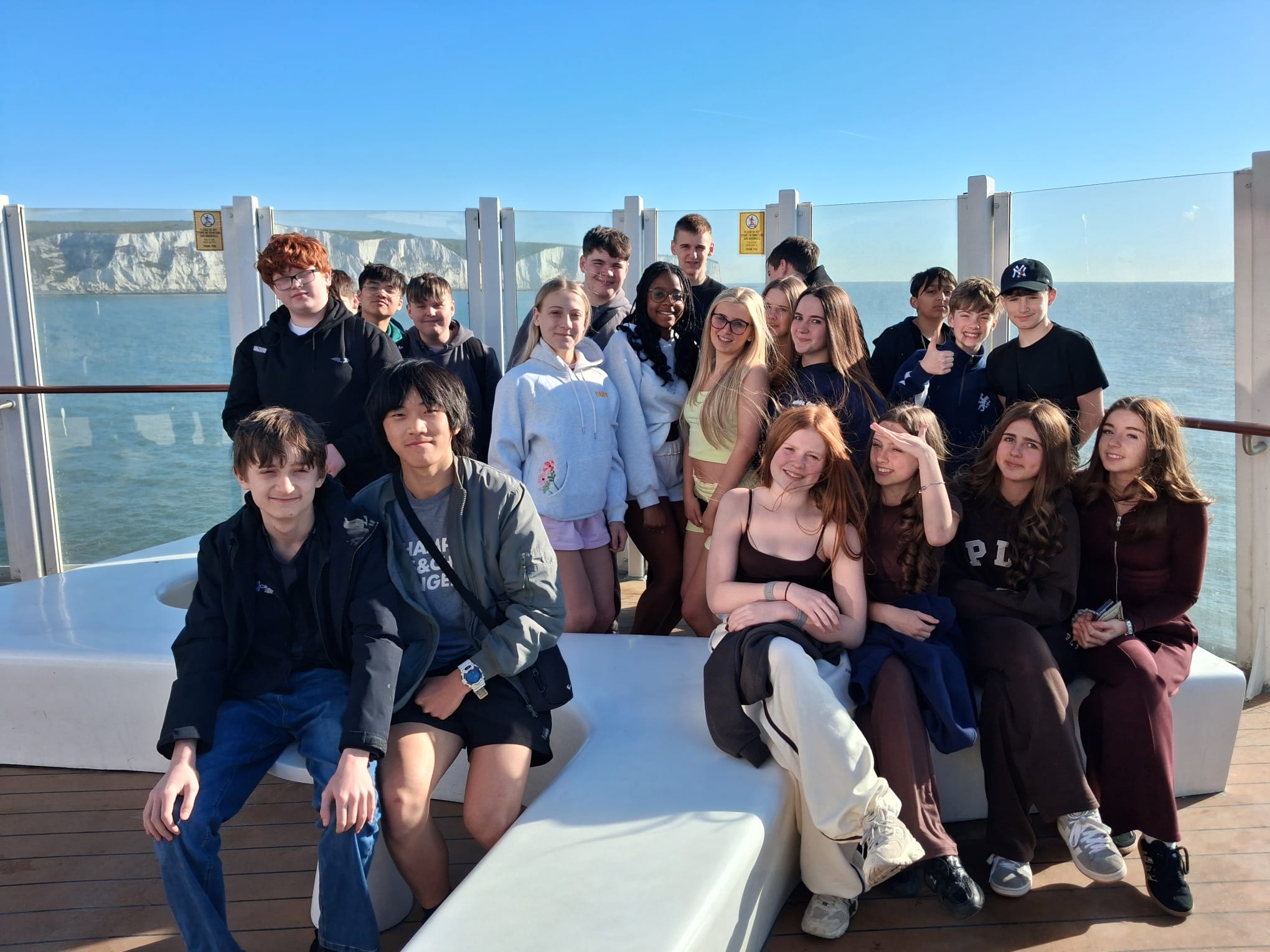
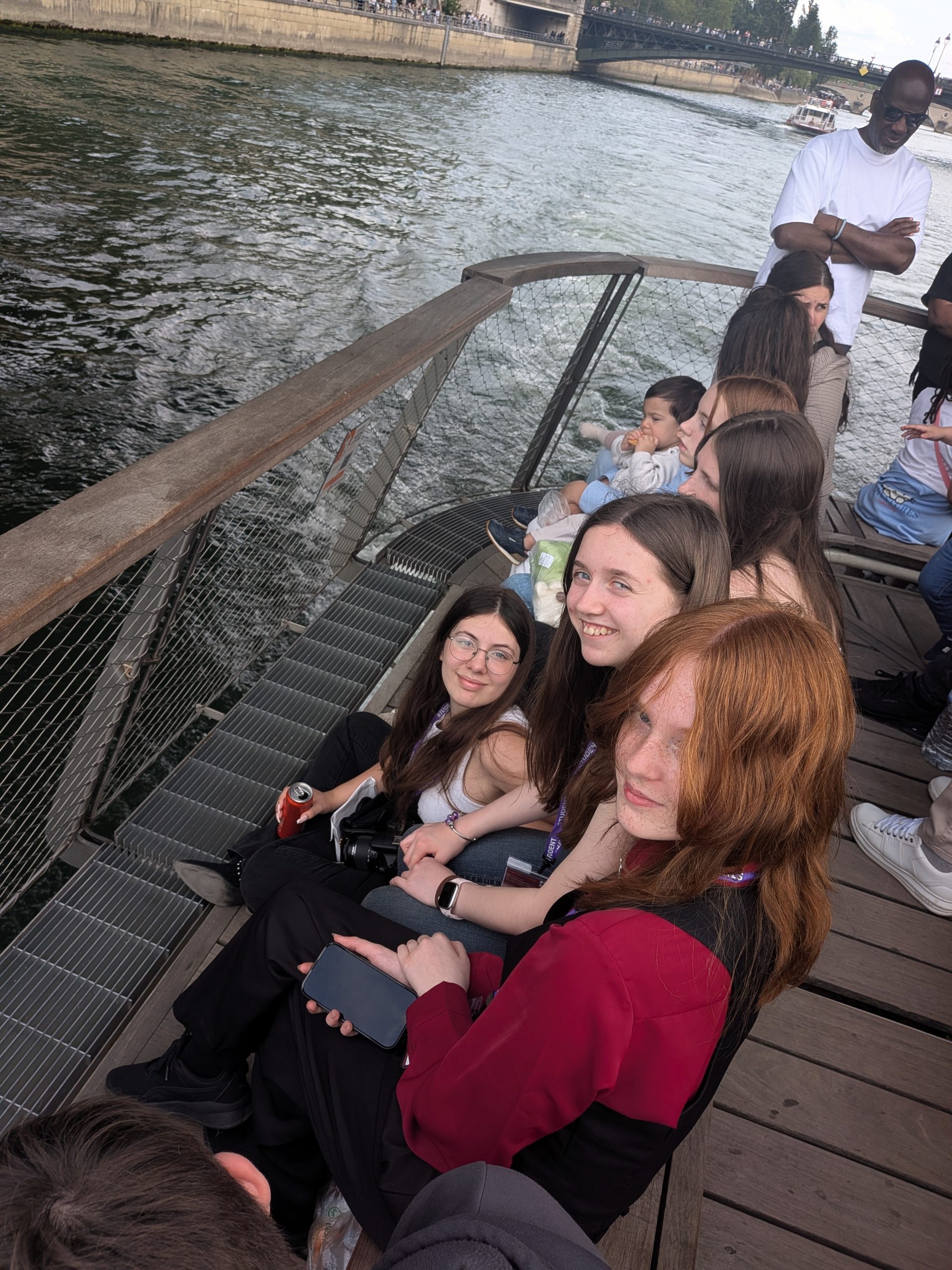
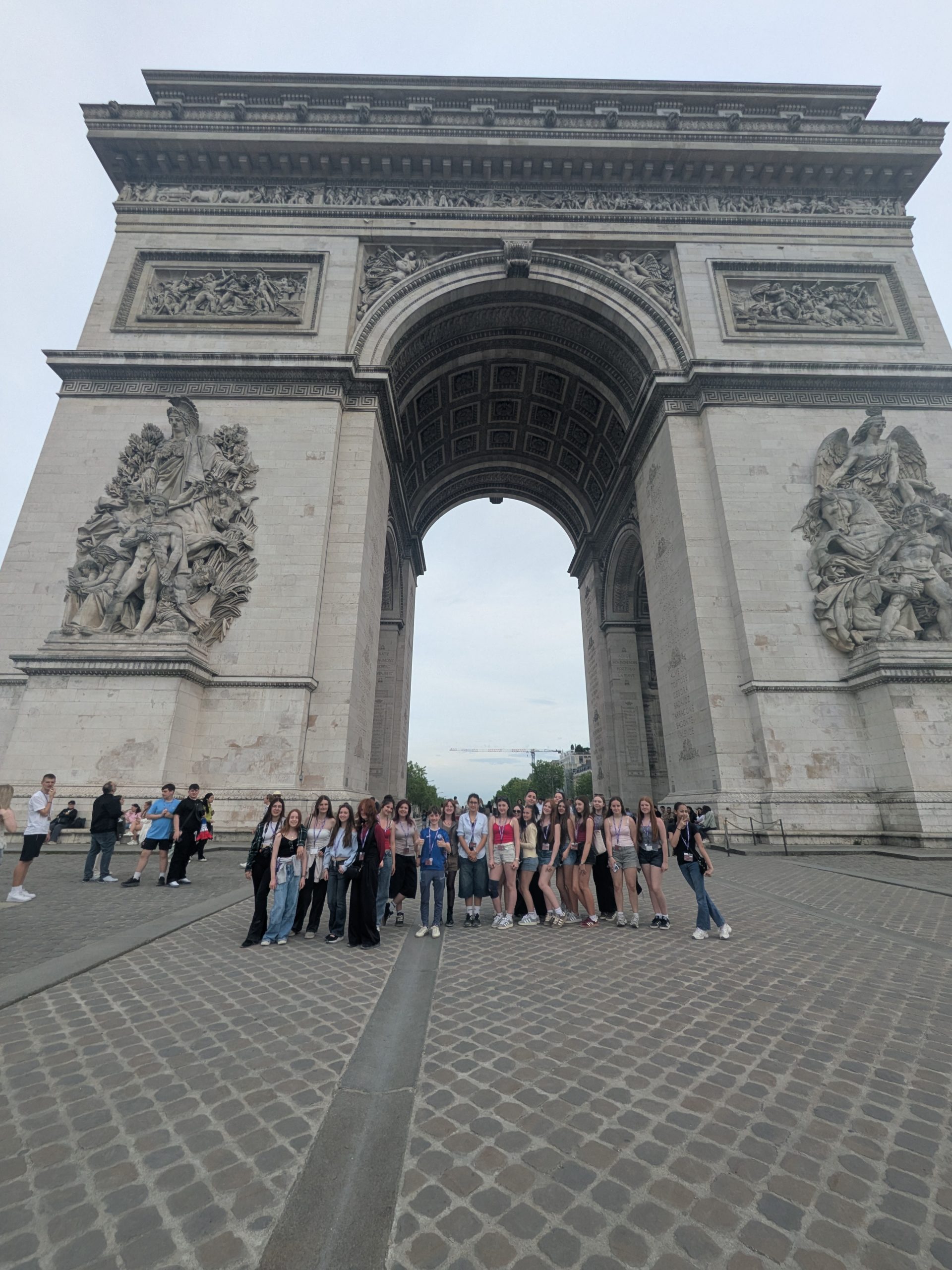
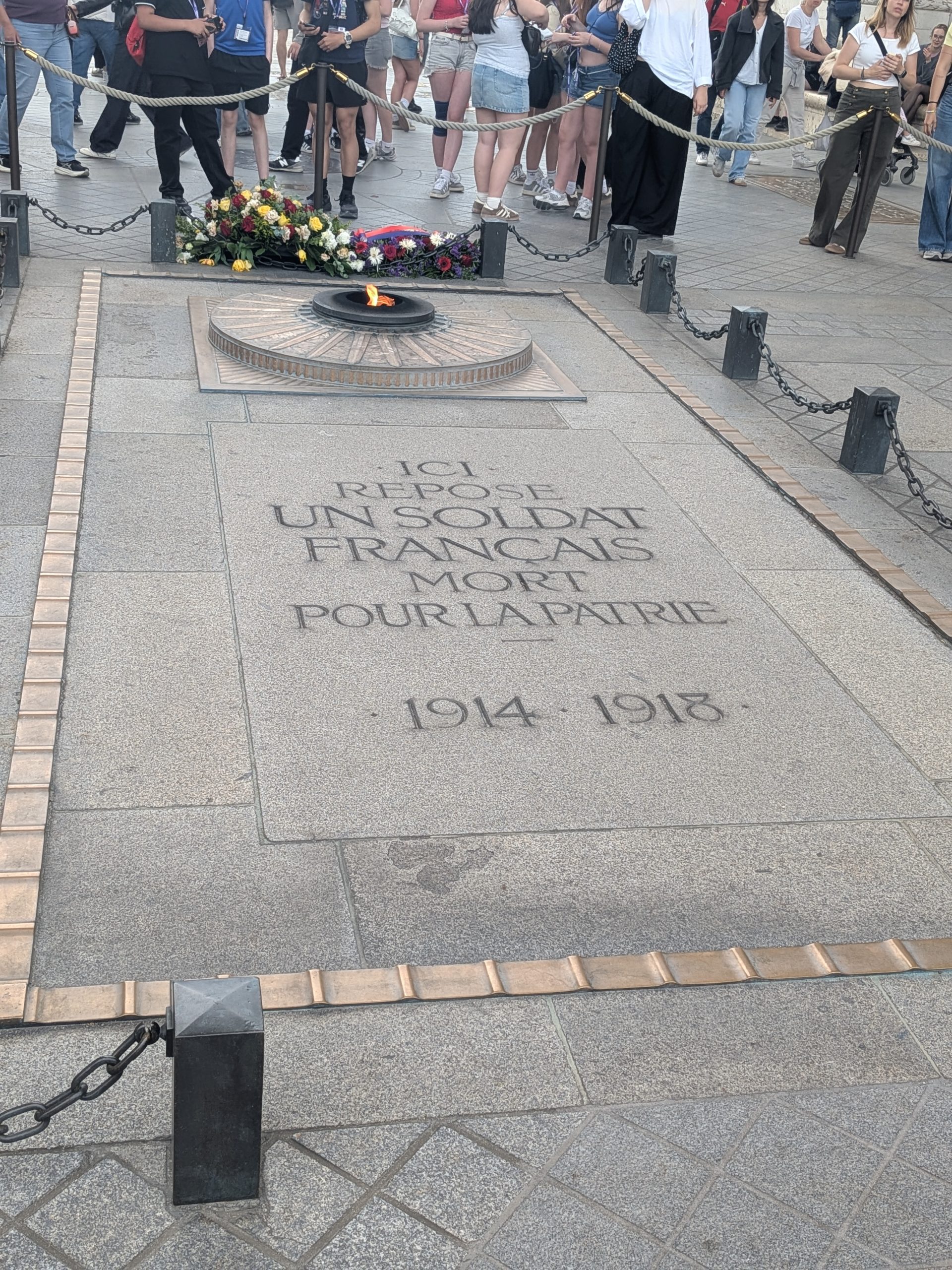
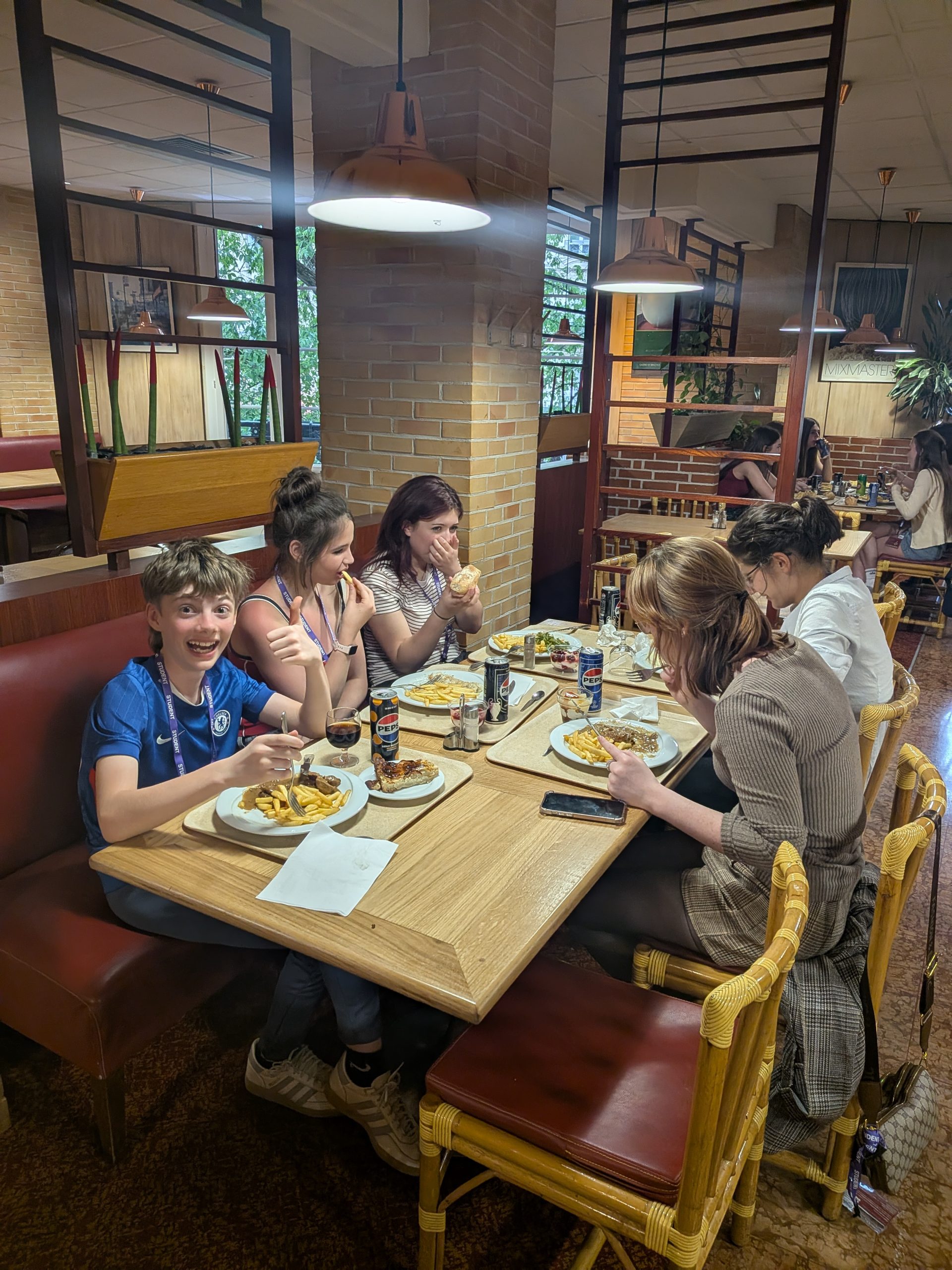
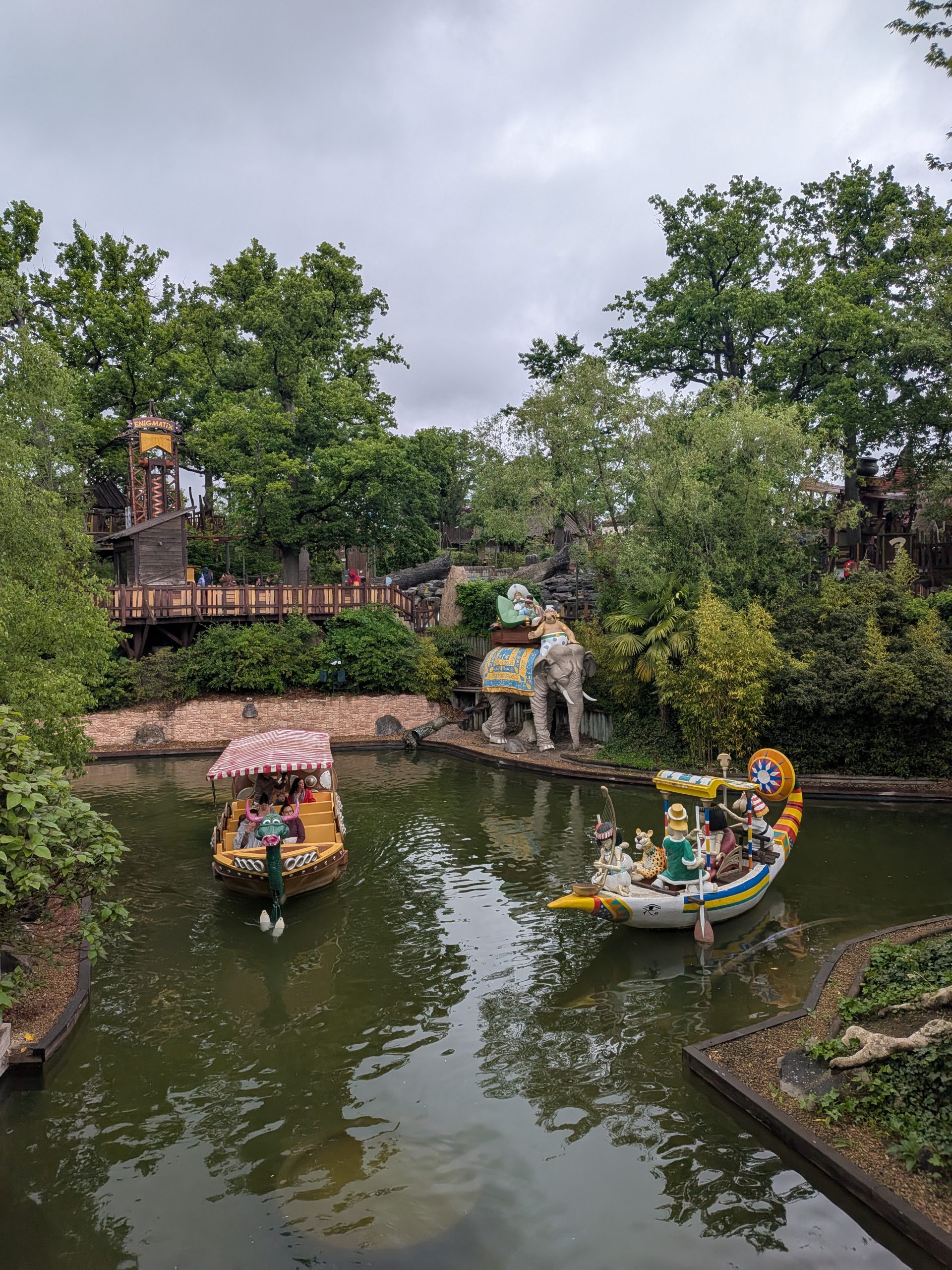
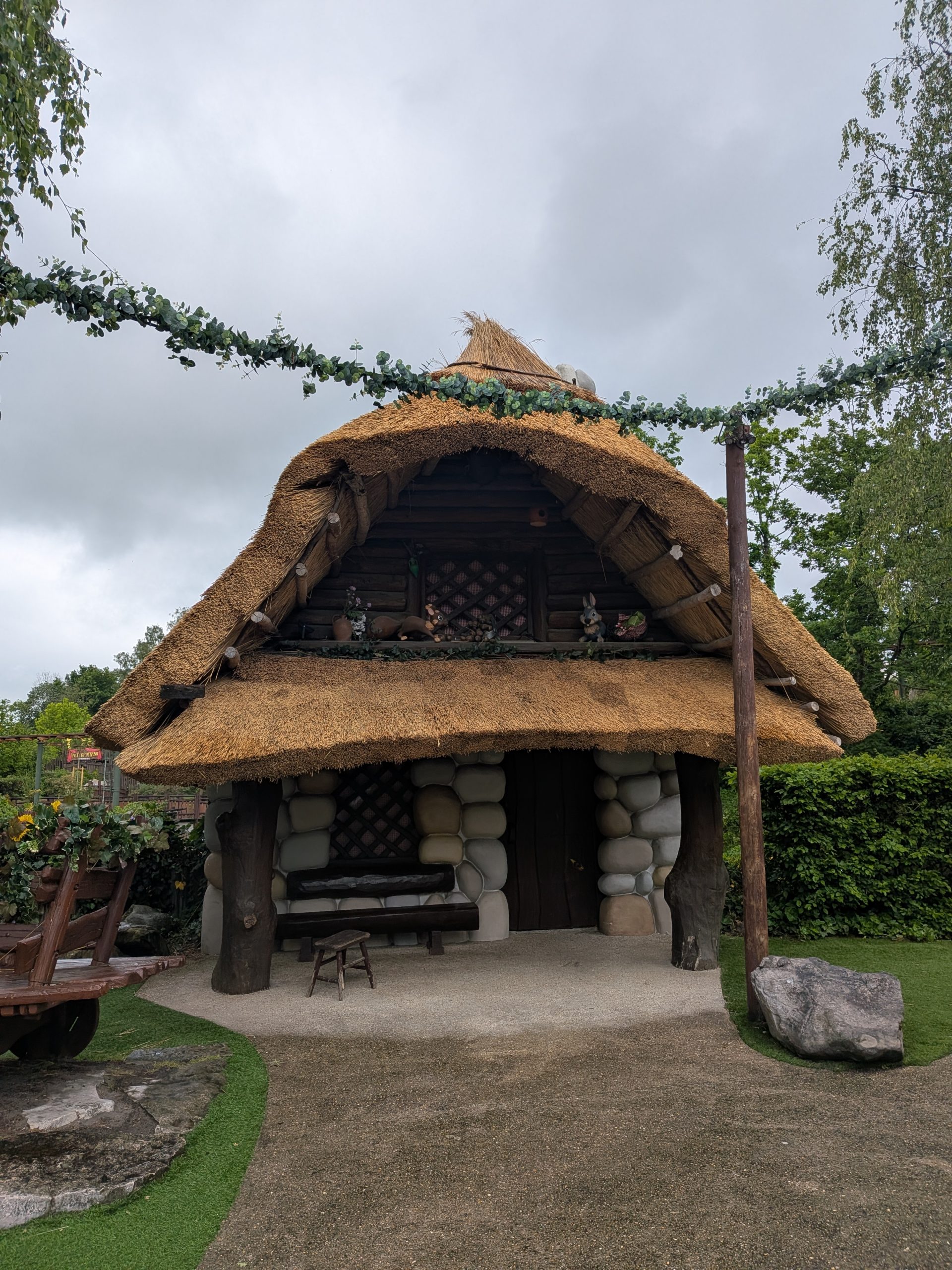
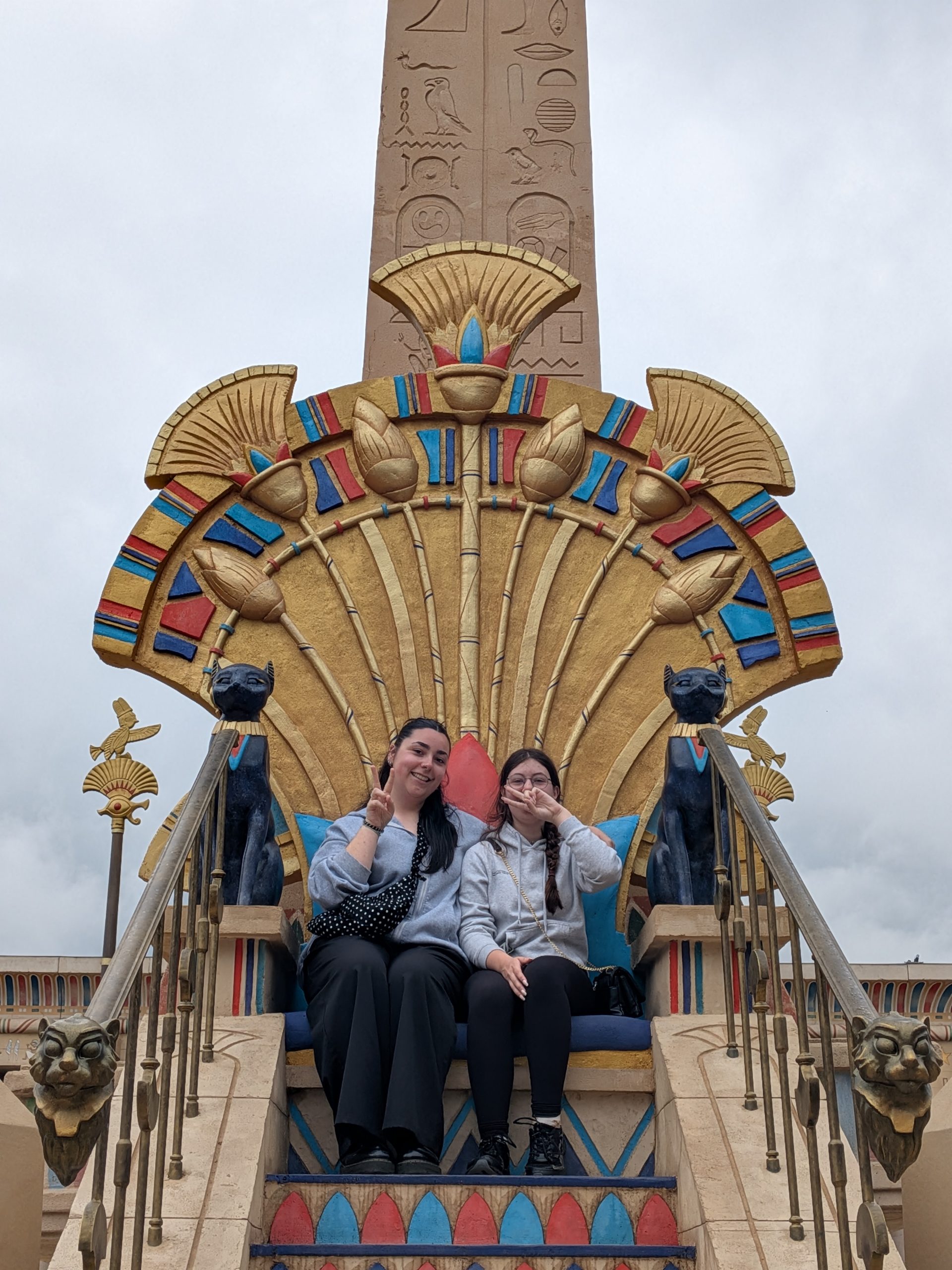
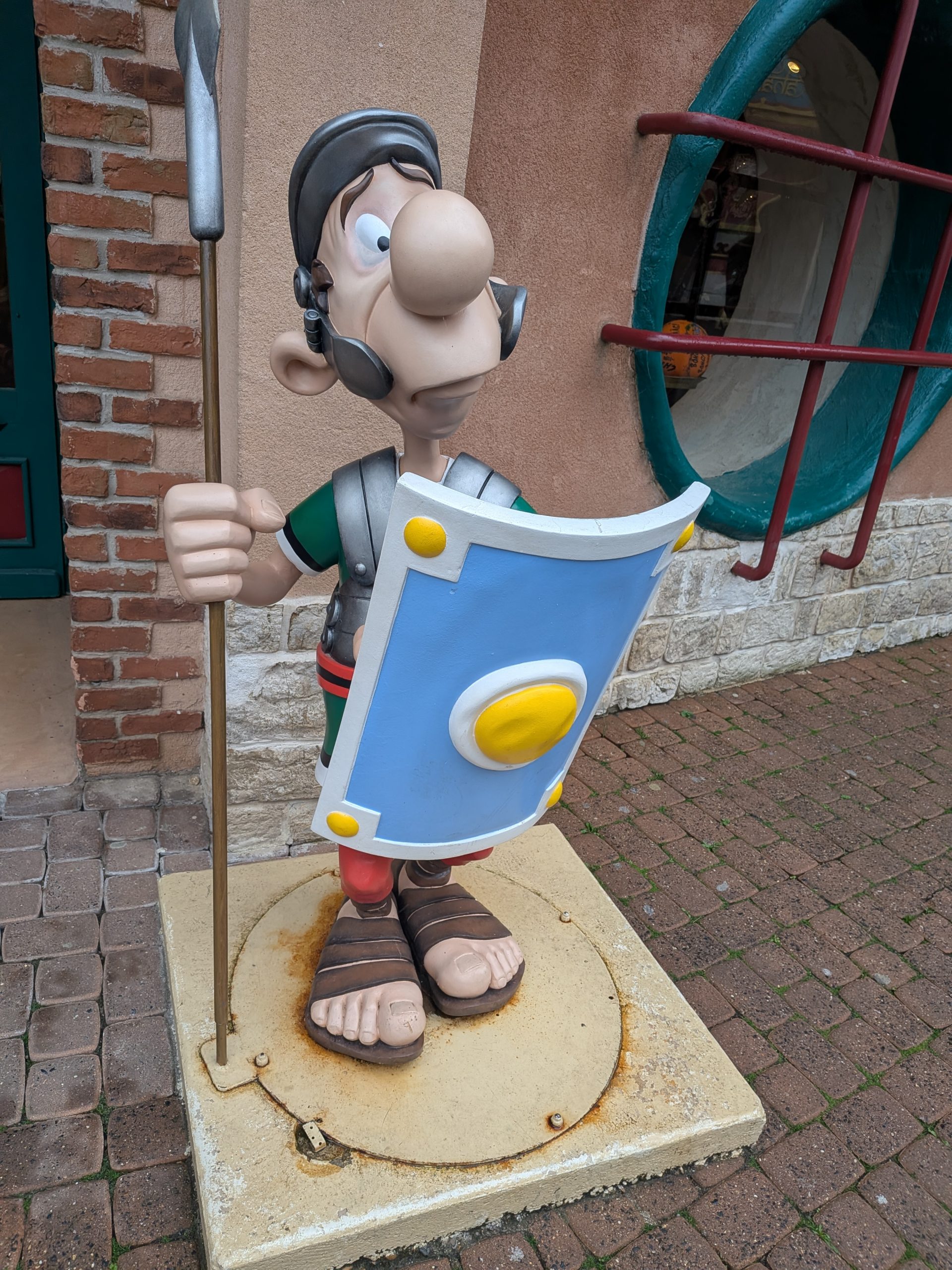
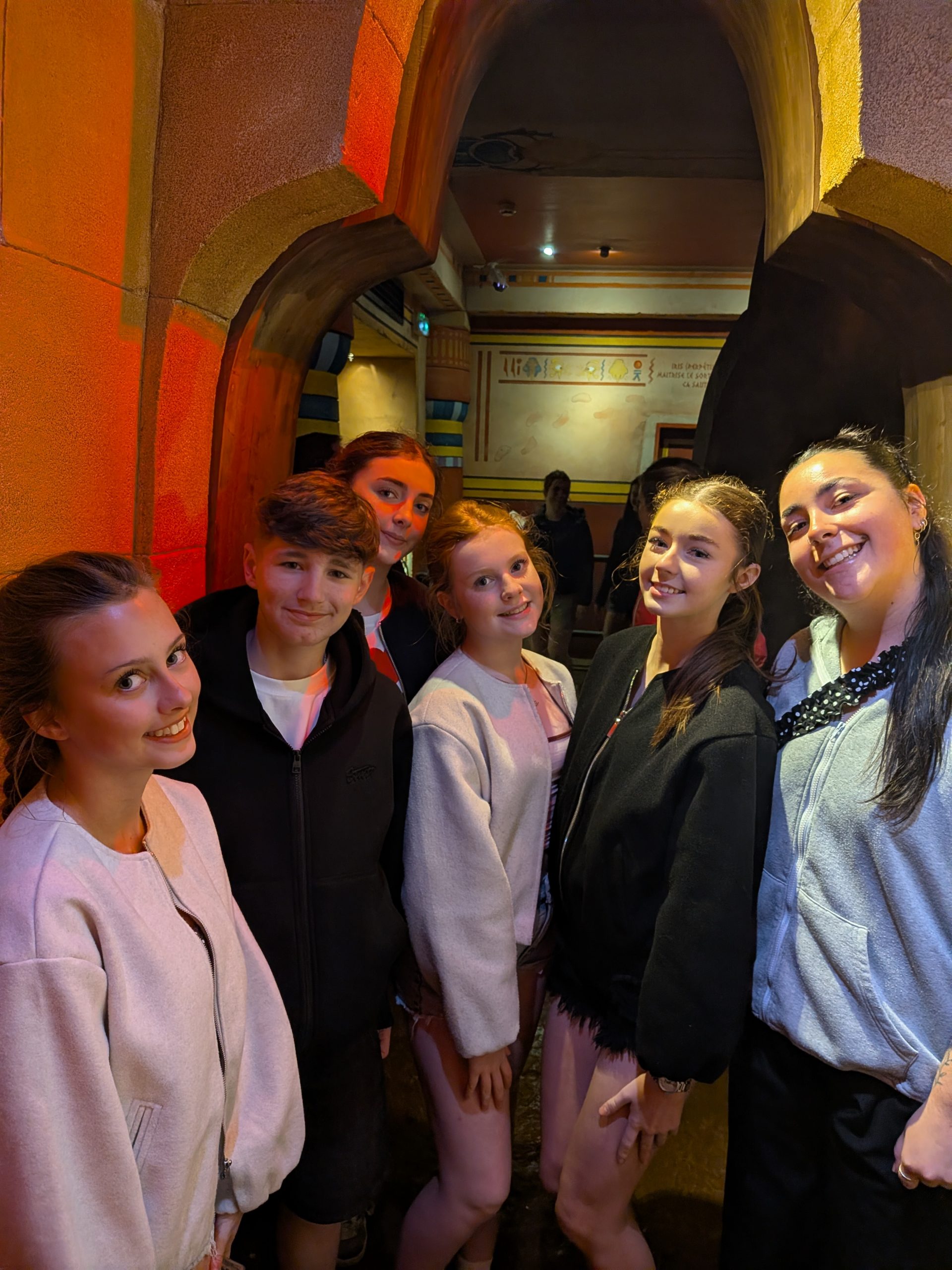
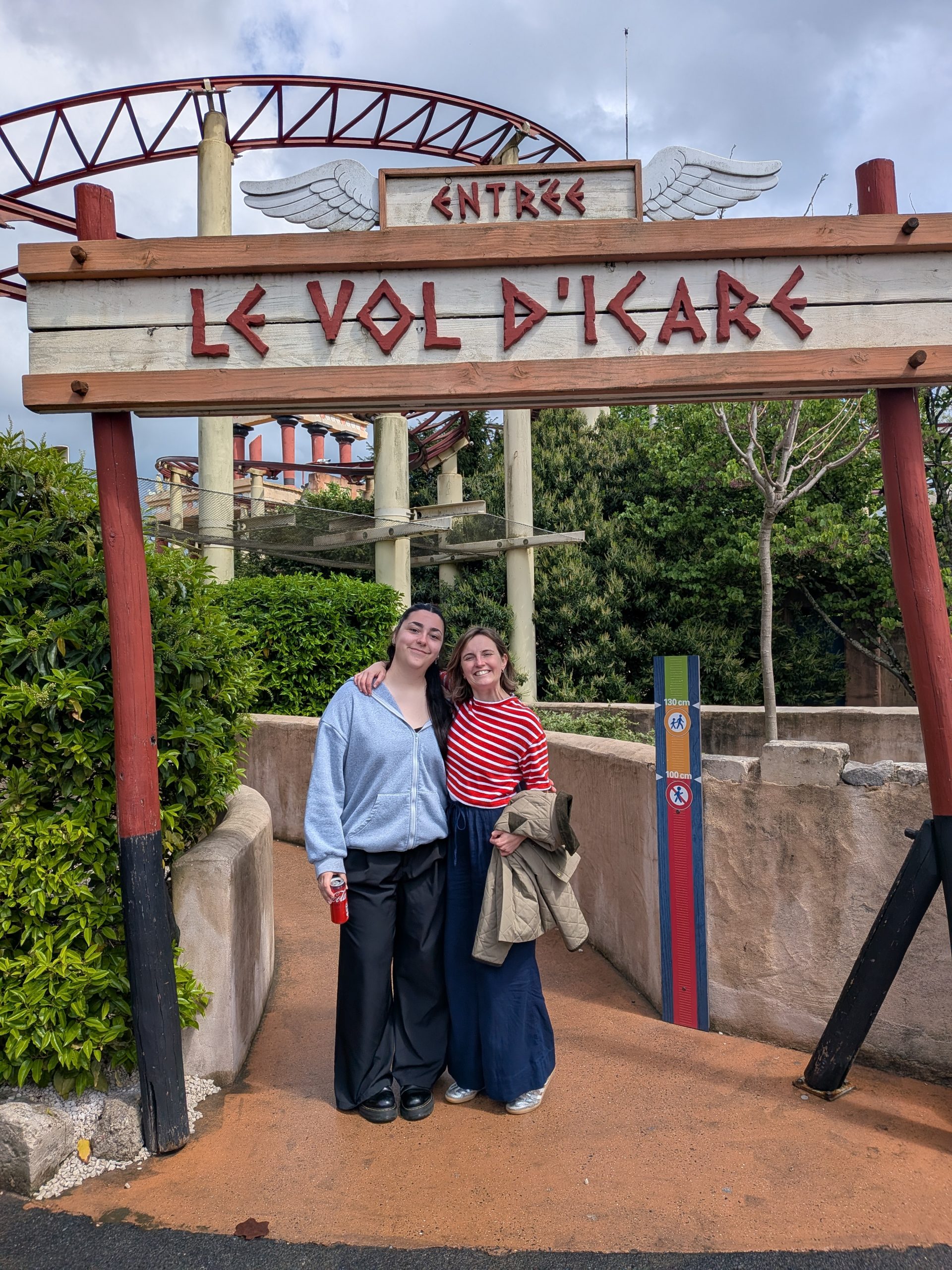
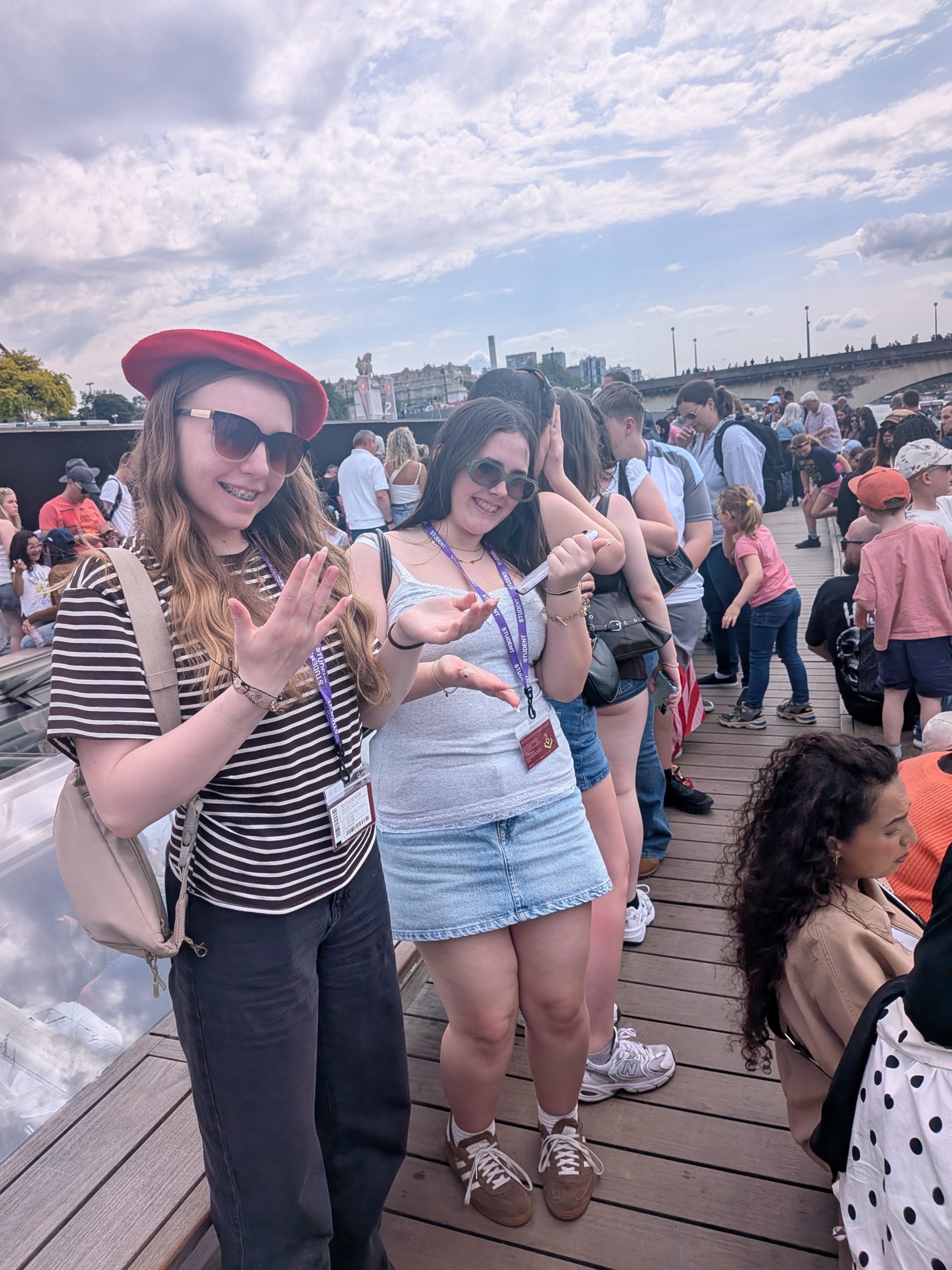
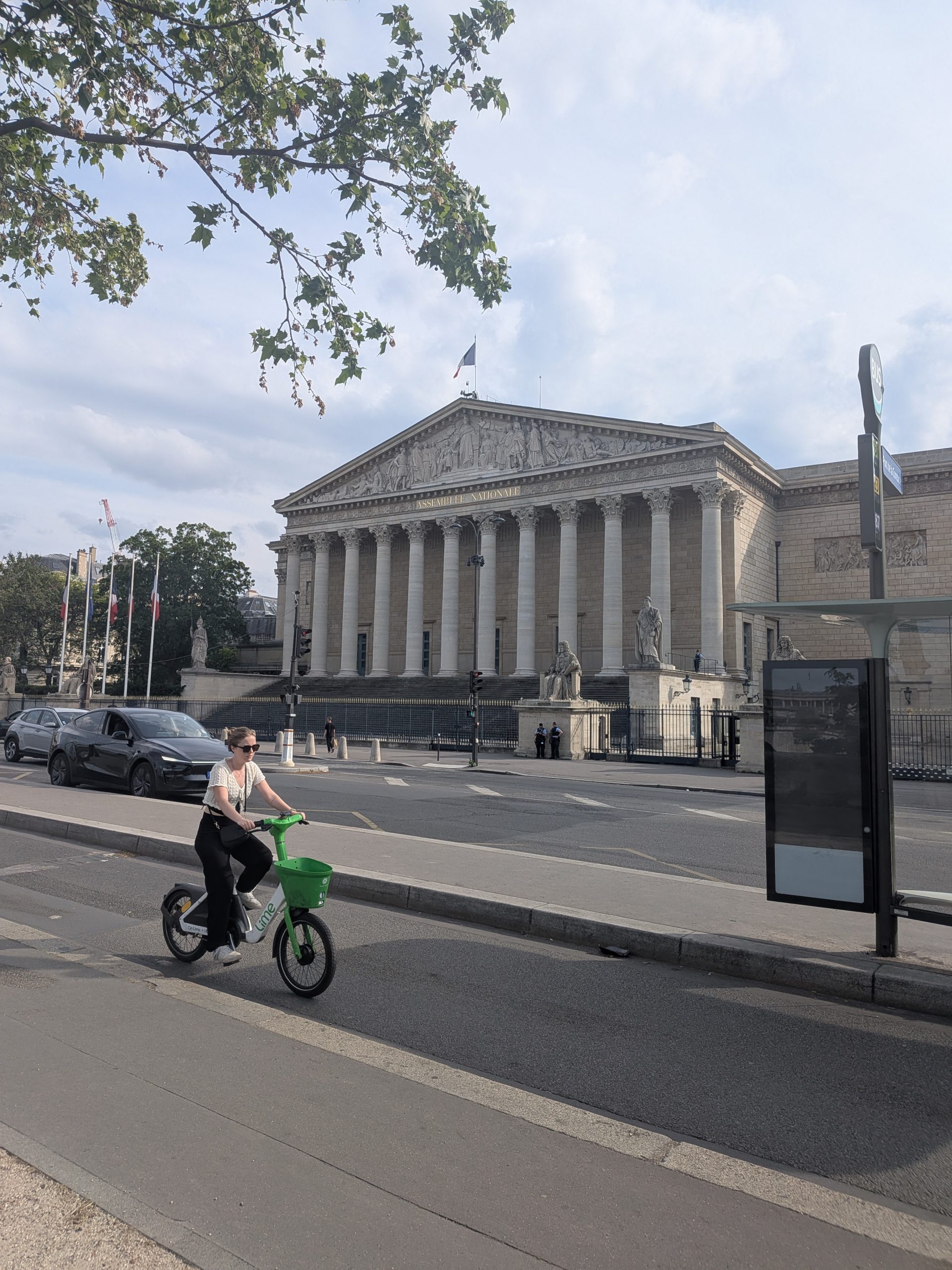
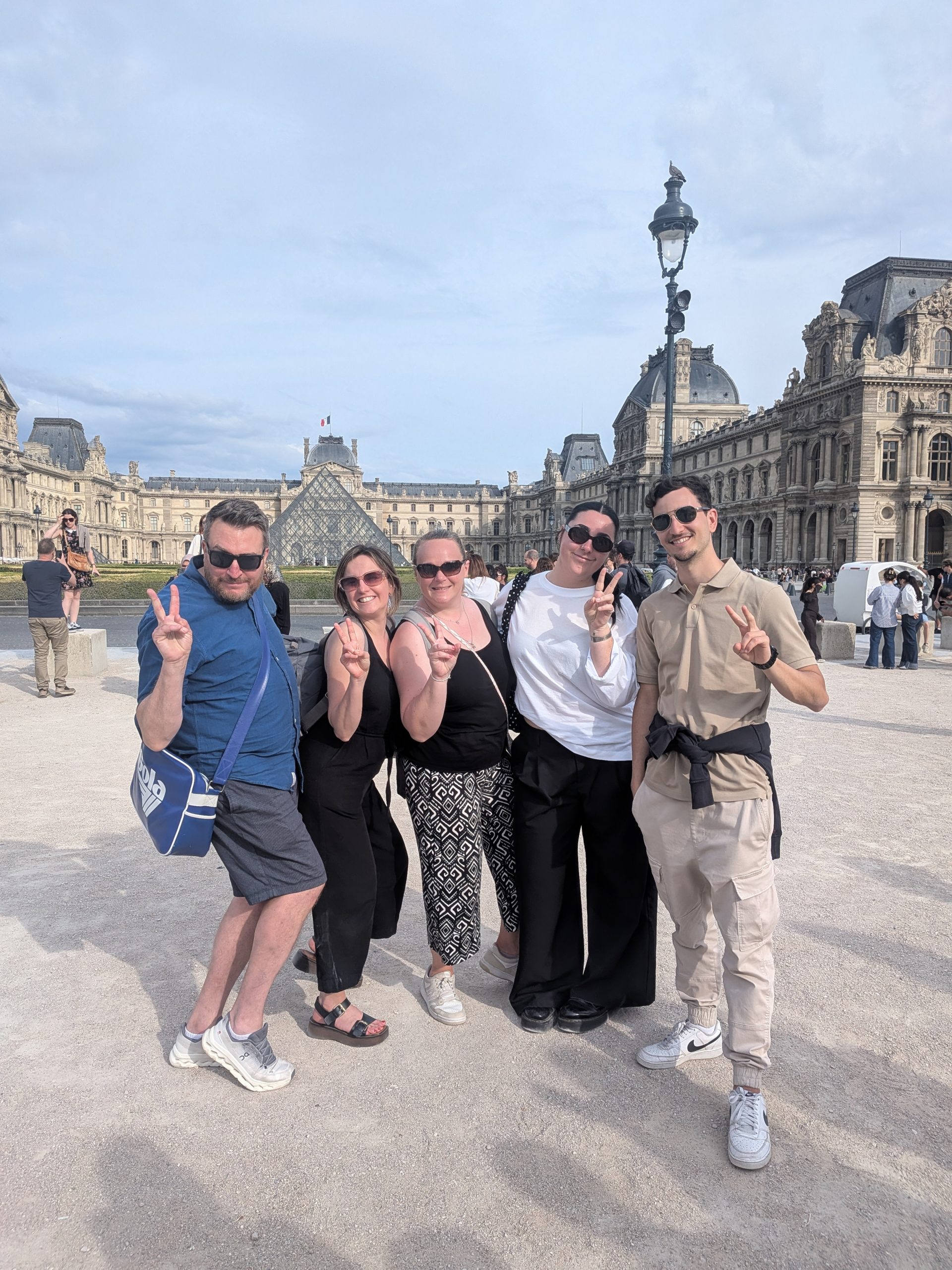
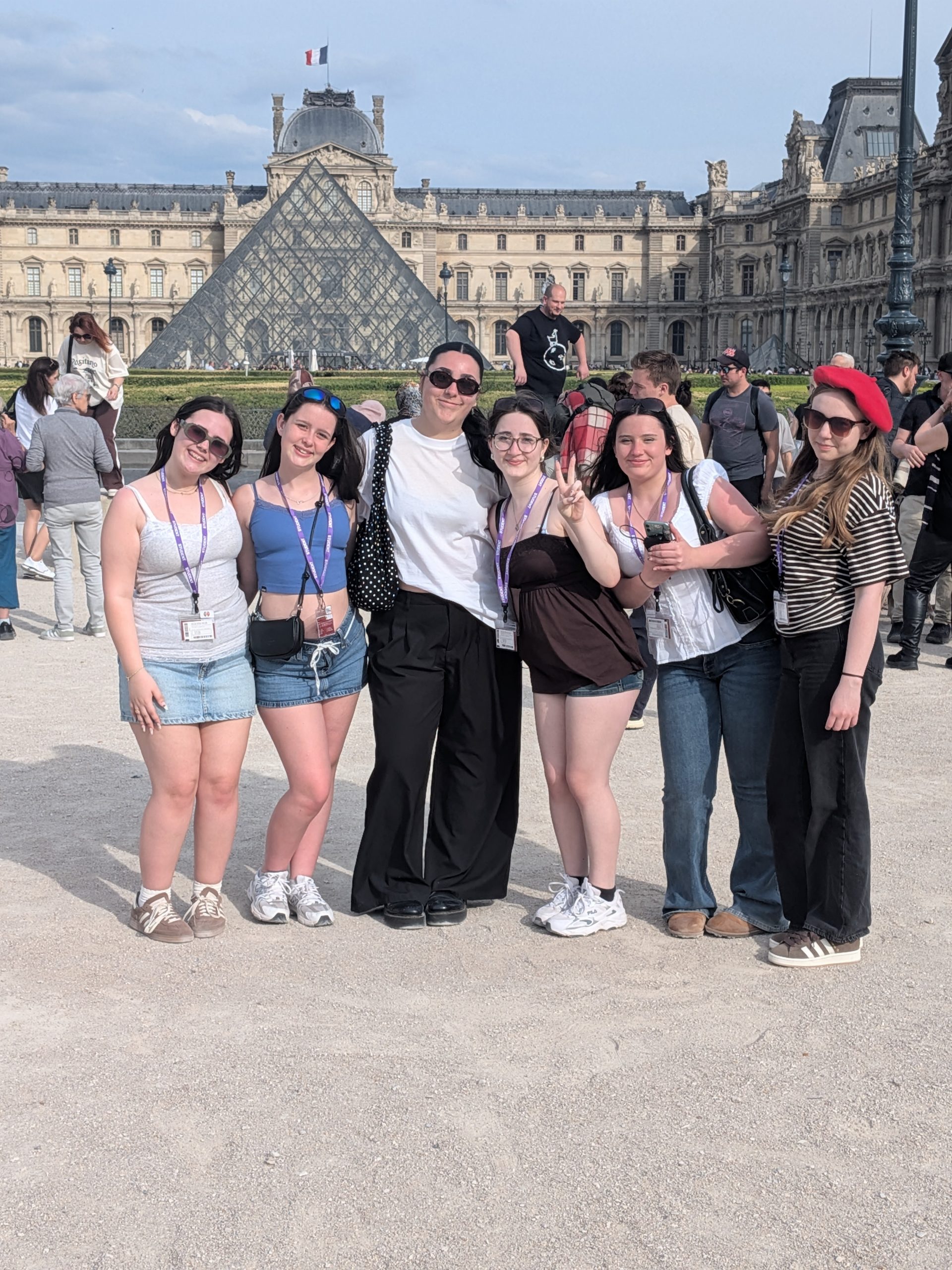
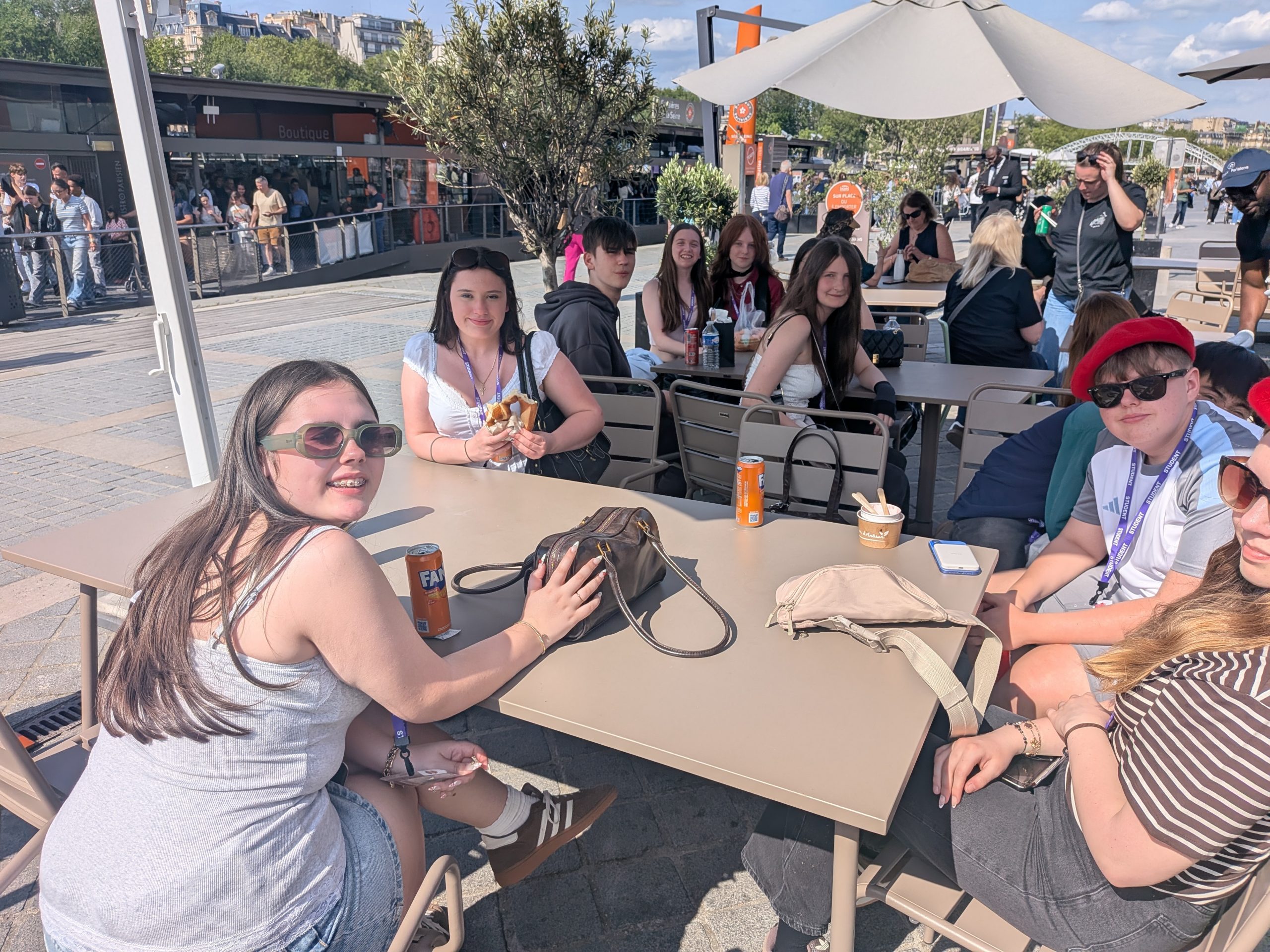
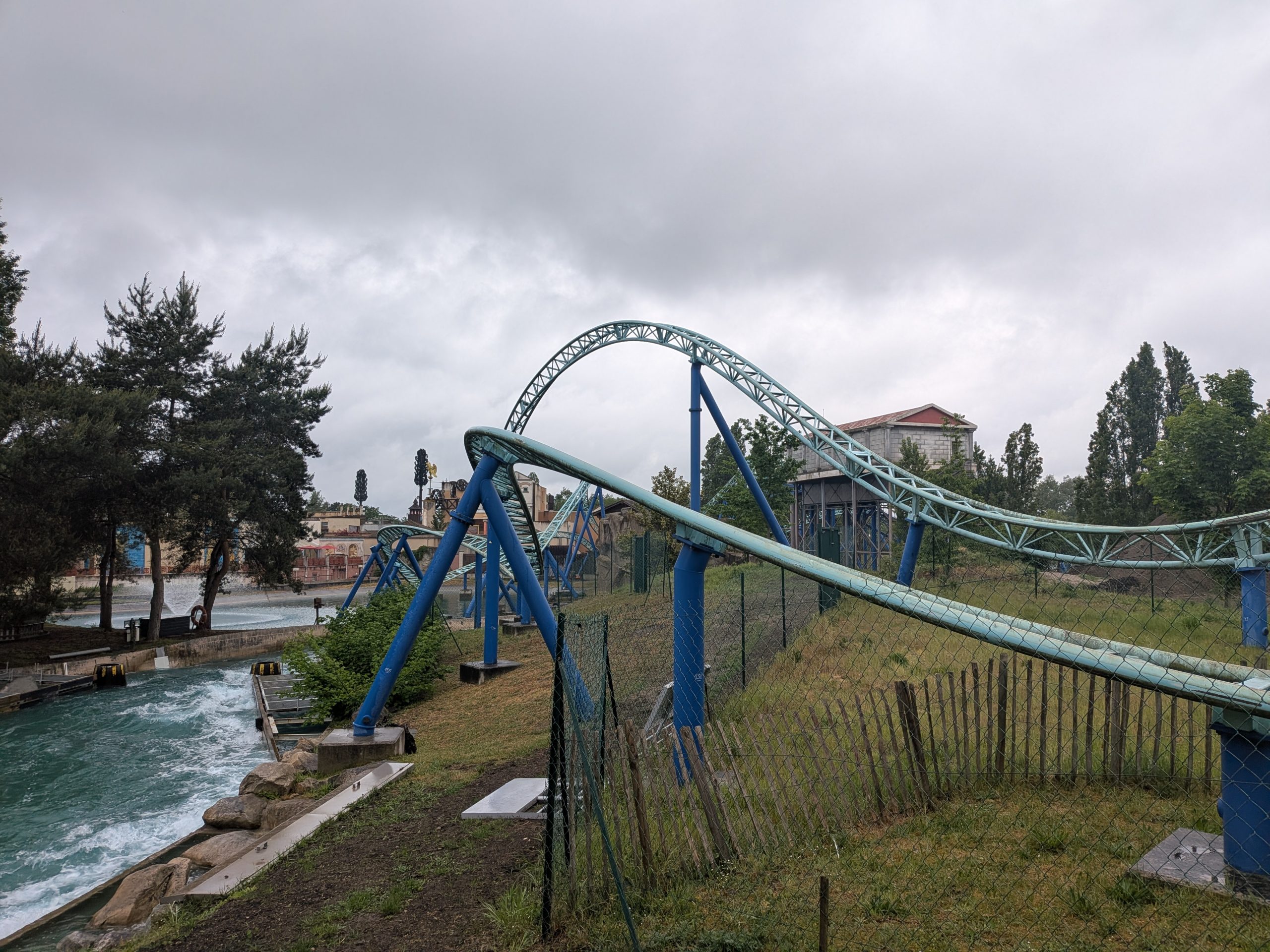
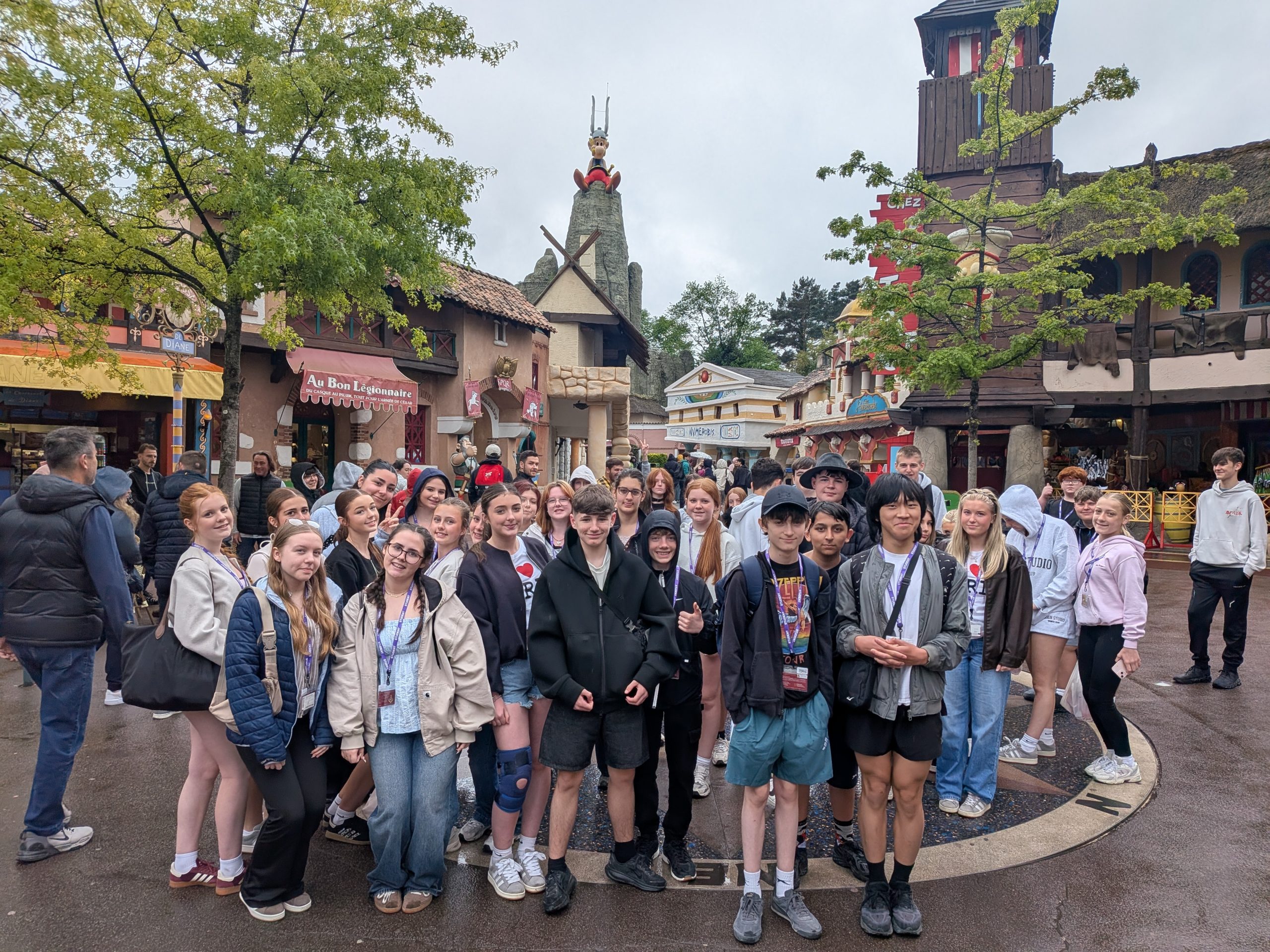
Pupils have the opportunity to take part in successful educational visits abroad, where they can experience the language and culture first-hand, developing both their confidence and independence. We also welcome visiting speakers from across industry who share how languages have supported their careers in business and the wider world, helping pupils to understand the real-life value of multilingualism and the opportunities it can provide.
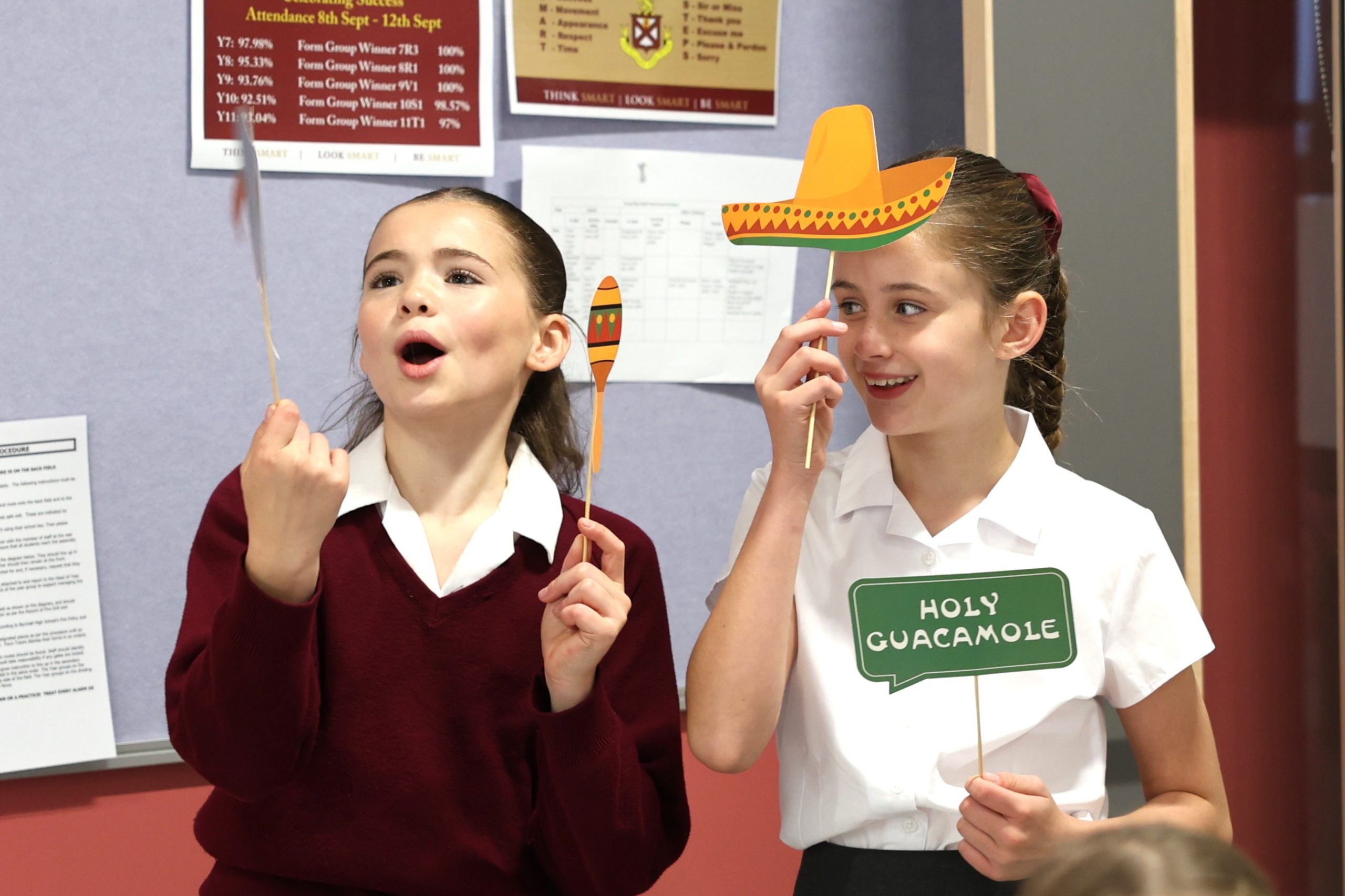
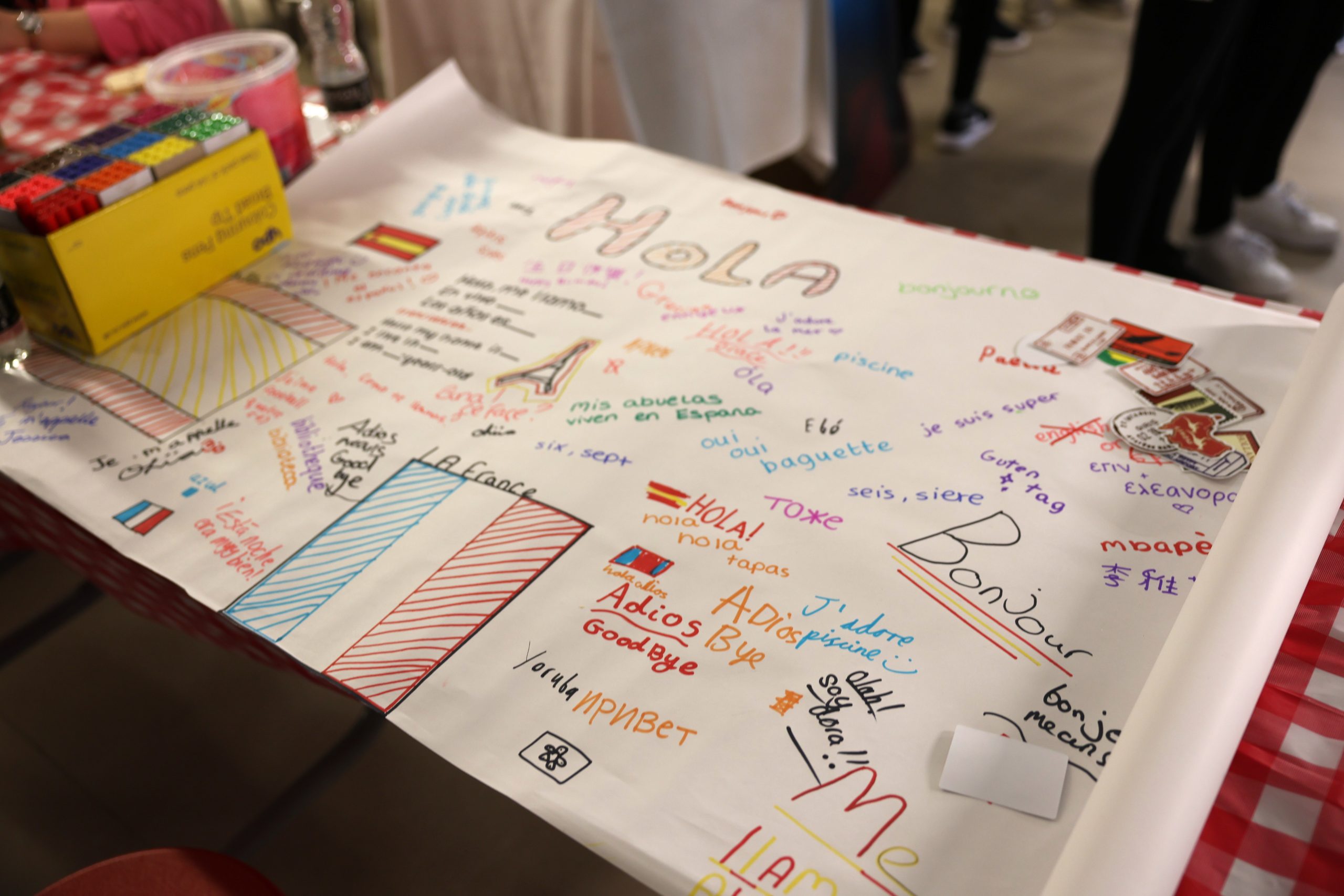
Each year, we celebrate the European Day of Languages, giving pupils the opportunity to explore the rich diversity of languages and cultures through a range of engaging activities and whole-school events. These experiences promote curiosity, respect and an appreciation of the global community.
We are also fortunate to work with French and Spanish Language Assistants each year. They work alongside pupils in small groups, providing valuable opportunities to develop speaking skills, improve pronunciation and build confidence in communicating with native speakers. Their involvement also enriches pupils’ understanding of the cultures, traditions and everyday life of French- and Spanish-speaking countries, making language learning authentic, engaging and memorable.
Through these enrichment opportunities, pupils develop greater confidence, cultural awareness and an appreciation of the importance of languages in education, employment and life beyond school.
Click/ tap on the burttons below to see the relevant learning journeys diagrams:

French